
We know someone who has demonstrated the mental resilience to see through conflicting information to figure things out when no one asked him to do so. There was no physical danger, but he walked through a mental health landmine, and got through to the other end unscathed. We are terribly proud that this person became a firefighter. Just as a firefighter faces intense heat and chaos with focus and determination, navigating the emotional fires of life also requires resilience and courage. The ability to stay calm under pressure, adapt to unpredictable situations, and push through discomfort isn’t just essential on the job—it’s equally crucial in maintaining balance off the clock. The same mental fortitude that helps a firefighter face flames can also help them manage stress, build meaningful connections, and find moments of peace in everyday life.
The Strain of the Job
There is no argument that first responders face a significant emotional toll in their job, including exposure to trauma, high-pressure situations, and life-or-death decision-making. Conditions like PTSD, anxiety, and burnout from long hours, shift work, and unpredictable schedules can spill over to life outside the job pretty easily.

We all approach stress in various ways that fall into two groups: Adaptive (active problem-solving) strategies and Avoidance (emotional disengagement) strategies. Can you guess which of the two actually work to ease stress and strain?
Why Balance Matters
I am tremendously impressed by Bob’s story. He posted it here. As a firefighter in Arlington, VA, he noticed that he and his coworkers were holding on to the stress long past an incident, and that stress was growing with each new event. In 1999, he was instrumental in helping develop a groundbreaking training program for the entire department to build resilience and coping mechanisms. He helped take the stigma out of telling the stories.
Then September 11, 2001 happened. And his department was in Virginia next to the Pentagon.
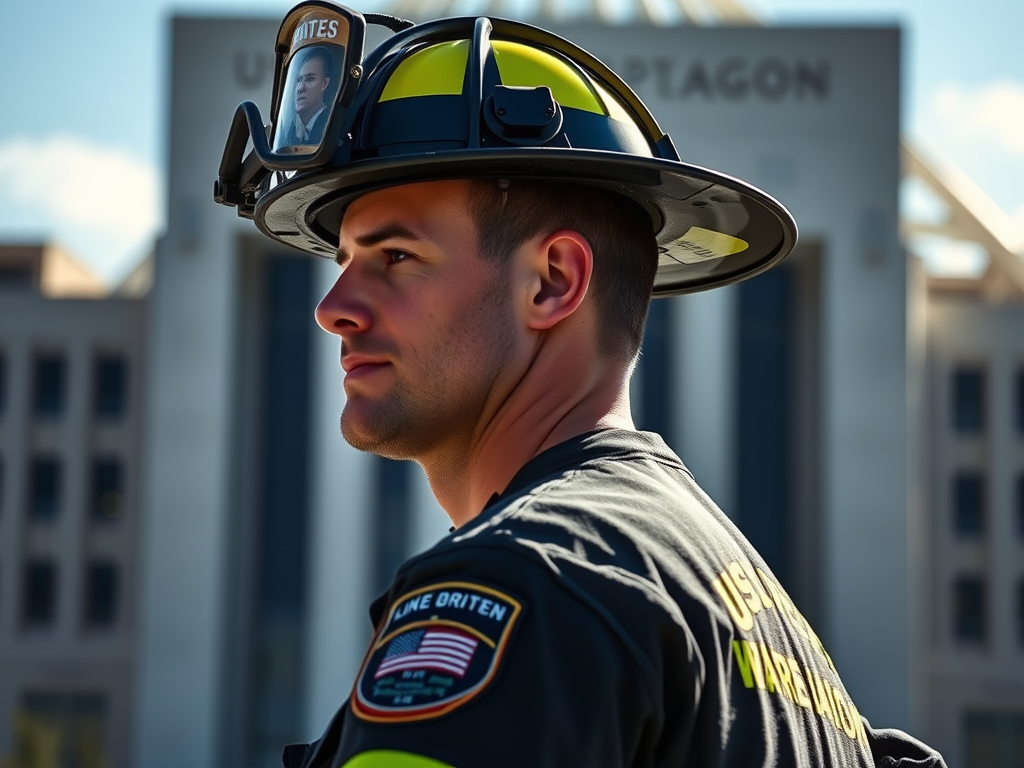
Overcoming that was not the end of his story. It was the beginning. During a home improvement project, he suffered a traumatic brain injury in which the doctors thought he would never communicate again. He not only can communicate, but he can thrive. Just like the person we mentioned in the opening. He communicated when he was told he couldn’t. He spoke when it was hard. He overcame barriers to speak to an unwilling listener.
Balance matters because no one deserves to experience the joys of life more than those who help maintain it.
Small and Simple Steps for Work-Life Balance
Downloadable Resource: Click one of these links to download a printable Canadian or US checklist of these tips for easy reference and sharing!
Just like last week, do not let this list become another stressor for you! Most of us do not have the stress of a first responder job, but we could all use some techniques for getting rid of stress. So, take from this list just the few that speak to you.

- Practice mindfulness. There are free apps we enjoy, and later this week, one of us will post a “wiggle toes” recording that two of the four will remember from when they were toddlers.
- Exercise. Bob mentioned in his story that this was key for him.
- Structured debriefing. If you are a first responder, your place of employment should offer this. If you are not a first responder, this is finding a person or group that will allow you to talk without fear of the stigma around talking. Try looking here to find a local group.
- High-risk hobbies actually do assist with mental issues effectively, but at the cost of balance in your life. A social life outside of work is essential, and if your people outside of work worry about the risk you have while at work, don’t add more worry and bad statistical odds to that relationship!
- Adequate Rest. (All the studies. Show your scheduler!)
- Collect cheap date night ideas for strange work hours.
- Living room pillow fort campout
- Public park picnic table meal
- Matinee movie times
- Midweek open mic comedy show
- Board game night
- Stargazing
- Cooking together
Calling All First Responders
How do you recharge after a long shift? Take our quick poll below and share your insight in the comments! Which of the stress-relief techniques listed above works best for you—or do you have your own go-to strategy? We’d love to hear your thoughts.
To the firefighter we know who keeps the flames under control both underground and above – thank you. And if it happens to be your birthday this week… well, consider this post your cake!
 Paynefully Awkward
Leave a comment